
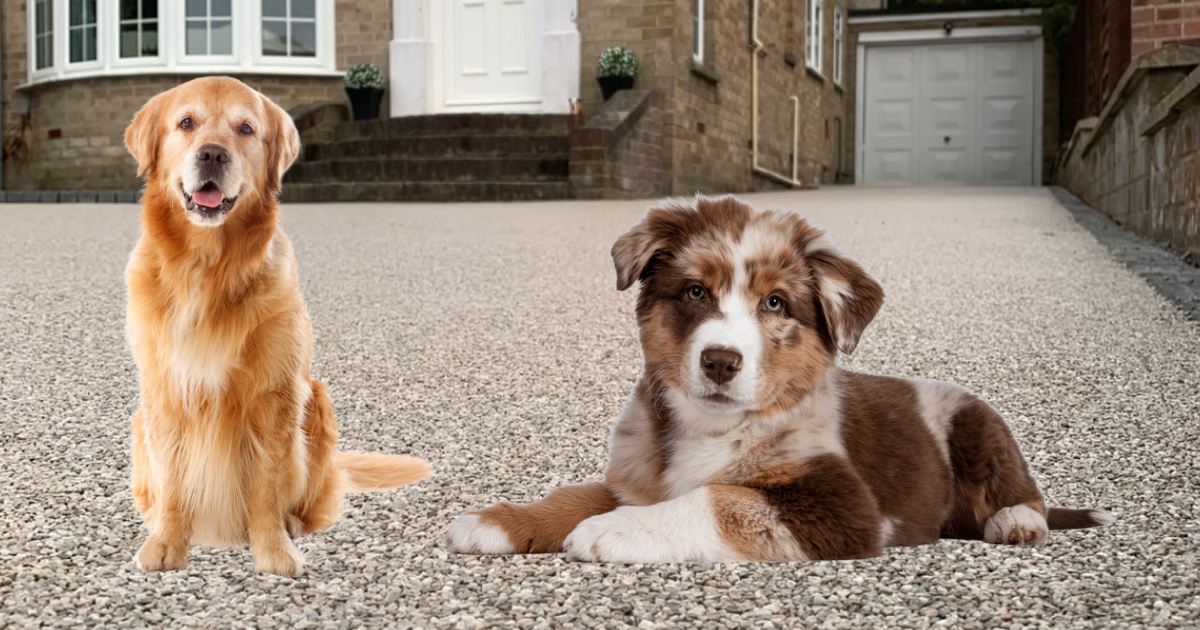
For many family homes, a professionally installed resin-bound driveway, pathway or patio can be a practical surface for children and pets because the aggregate is held within resin rather than left loose, the finished surface can be relatively smooth underfoot, and properly designed permeable systems allow rainwater to drain through rather than sitting on the surface. Those advantages do not make resin bound “non-slip,” “cool to touch,” or safe in every weather condition, however. Slip resistance varies by system, aggregate and installation; hard surfaces can become hot in strong sun; and ice, moss, algae or contamination can increase slip risk.
For families considering a new resin driveway, resin pathway or resin patio, the most important safety factors are the quality of the complete system, the preparation beneath it, drainage, the chosen aggregate, correct curing and regular maintenance.
What Makes Resin Bound Different From Gravel or Loose Stone?
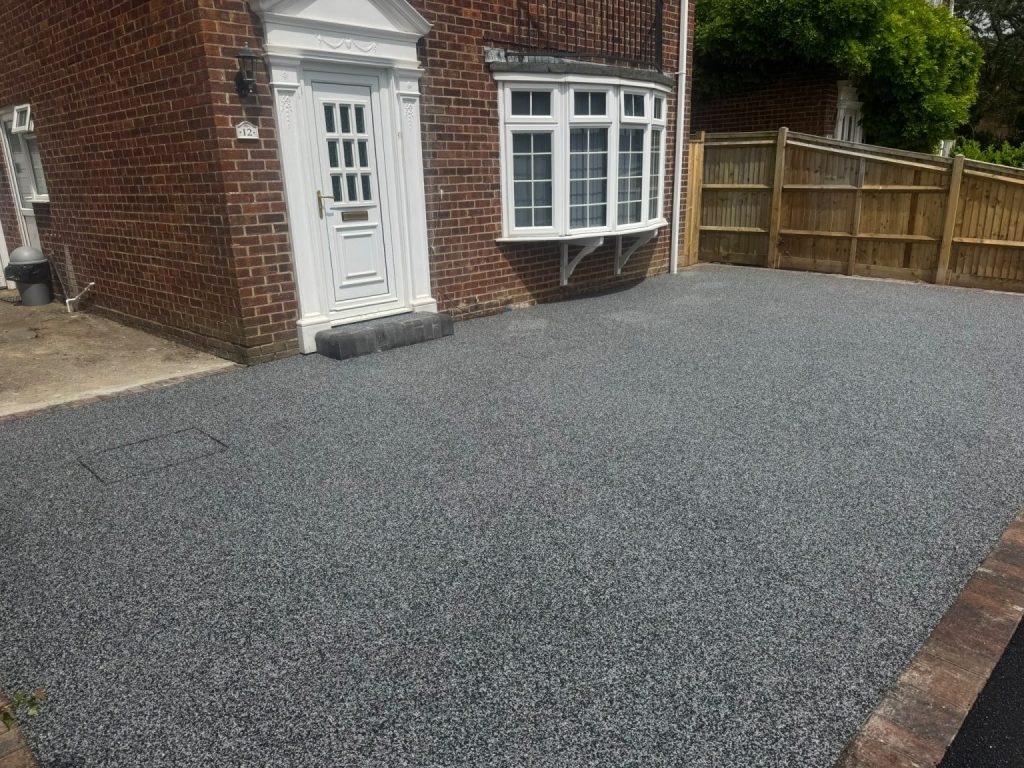
Resin bound surfacing is made by mixing aggregate with a resin binder before the material is trowelled onto the prepared base. The process coats the aggregate and locks the stones together to create a continuous surface. Resin bonded surfacing is different: resin is applied to the base and aggregate is scattered onto the top, leaving a more textured surface with stones more exposed and a greater possibility of loose aggregate over time.
That distinction matters around children and pets. Loose gravel can move under shoes, pushchairs, bicycles and paws, and individual stones can migrate into lawns, doorways and other areas. Resin-bound surfacing is designed to contain the aggregate within the cured matrix, so you do not normally have the same layer of loose stone moving around the driveway.
A properly constructed resin-bound system can also be permeable. Permeable driveway construction allows rainwater to pass through the surface and into appropriate permeable layers beneath, helping to reduce surface runoff. The effectiveness of that drainage depends on the whole driveway construction, not simply the visible resin layer.
If you are planning a family driveway in Bournemouth, Poole, Christchurch, Ferndown or Verwood, it is therefore worth asking what lies under the resin as well as which stone blend will be used.
A Smoother and More Contained Surface
One reason resin bound is popular around homes is that the finished surface can be comparatively smooth and consistent while still retaining a textured aggregate finish. Technical guidance distinguishes this from resin-bonded surfacing, where stone sits more prominently above the resin layer.
For everyday family use, fewer loose stones can mean less gravel being kicked across a patio, carried into the house or caught beneath wheels. A continuous surface can also make routes from the car to the front door easier to keep clear of displaced aggregate.
However, resin bound is still a hard paving surface. It should not be confused with specialist impact-absorbing playground surfacing.
So a resin patio may be suitable for normal family walking, seating and play, but it should not automatically be treated as safety flooring beneath climbing frames, swings or equipment with significant fall heights.
Temperature Comfort for Paws and Bare Feet
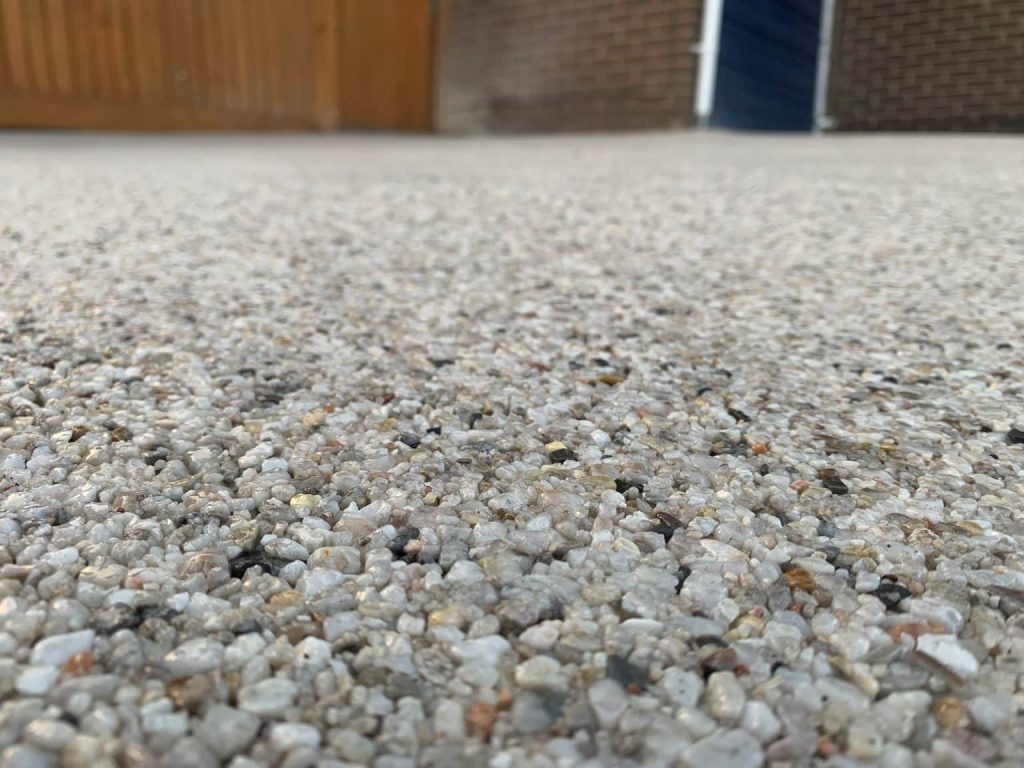
Resin-bound surfacing should not be advertised as remaining cool in sunshine. Like other outdoor hard surfaces, it can heat up when exposed to strong solar radiation.
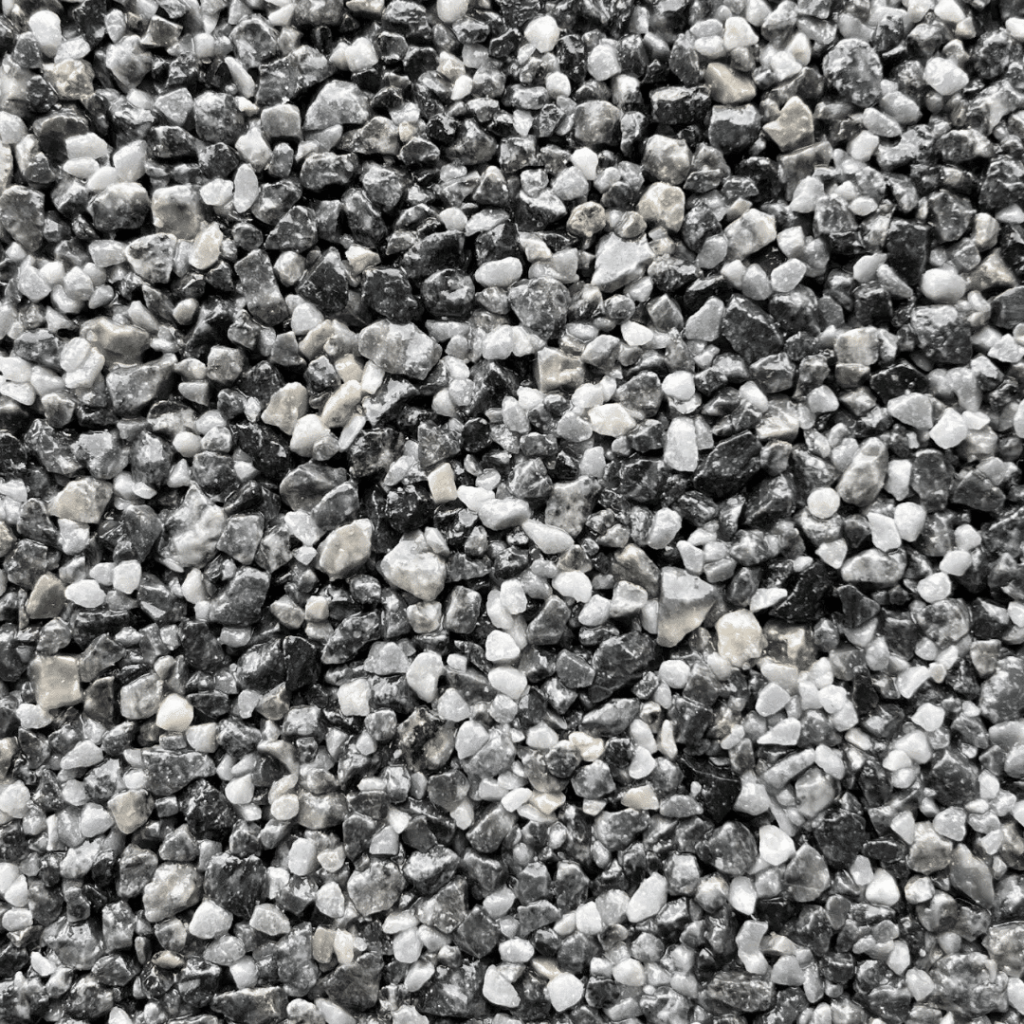
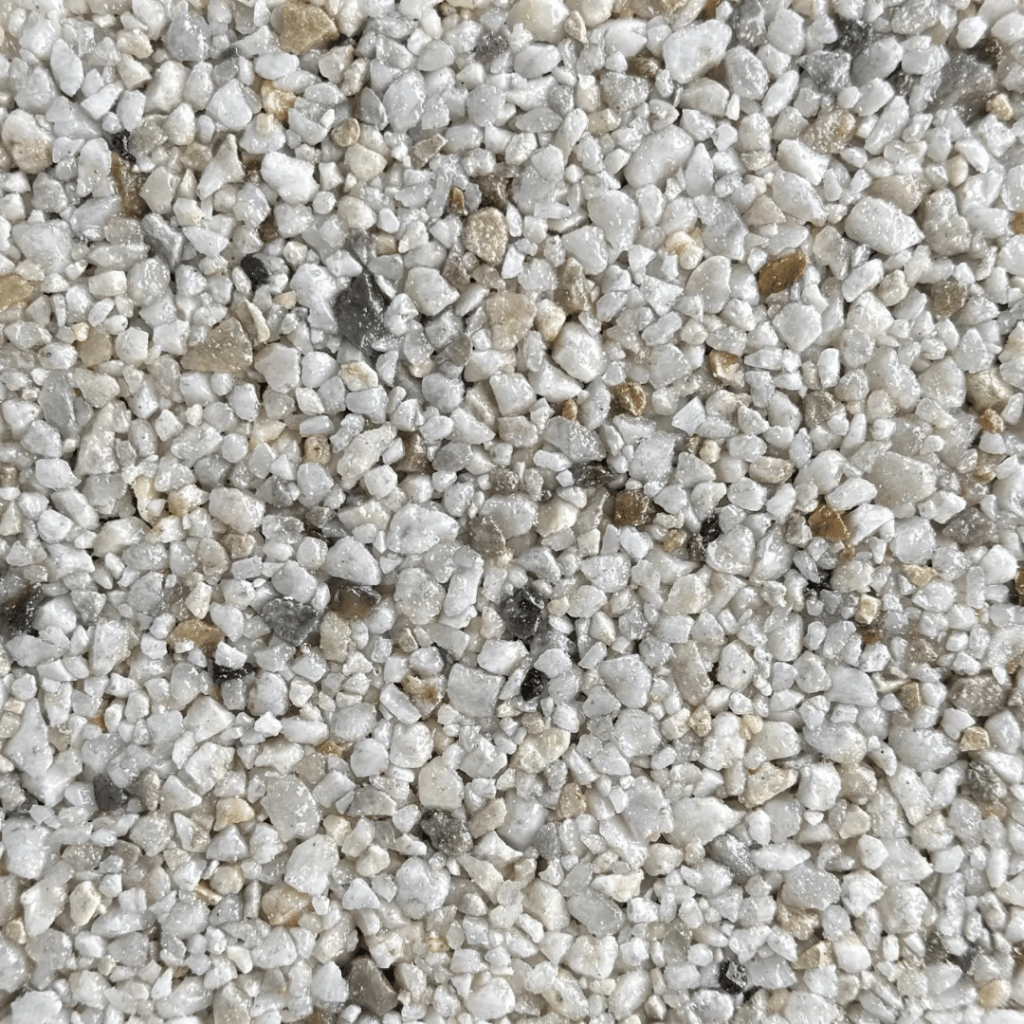
Research into pavement temperatures consistently shows that surface colour and solar reflectance affect heat absorption. Darker, lower-albedo paving generally becomes hotter in direct sun than lighter, more reflective surfaces. Studies of pavement materials have recorded meaningful reductions in surface temperature when lighter aggregates or higher-reflectance finishes are used.
That does not mean choosing a pale resin blend guarantees a paw-safe temperature. Weather, direct sunlight, shading, wind and the complete surface construction all influence temperature.
Pet owners should therefore use the same precautions they would with other hard paving. Dogs’ paw pads can burn on hot pavements and pets should avoid hot surfaces during the warmest part of the day.
You should check the ground before walking the dog…
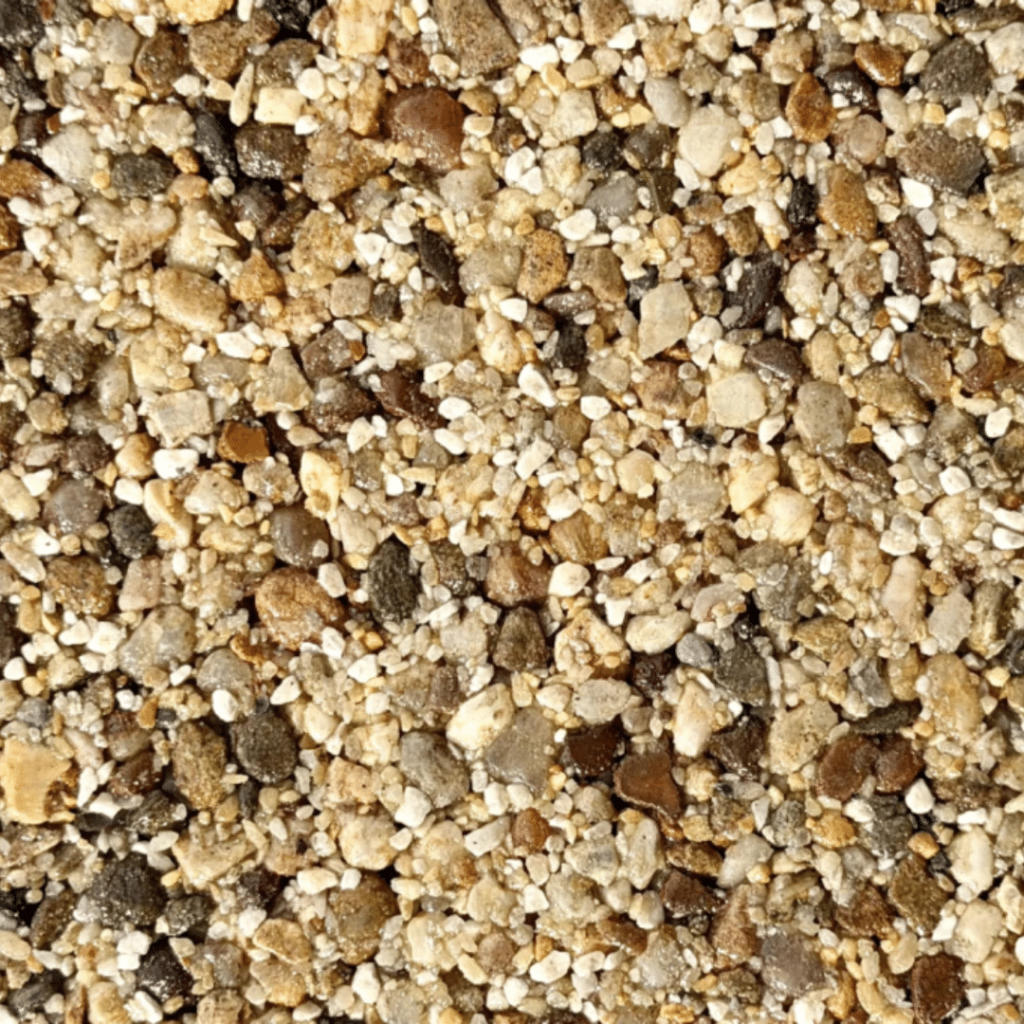
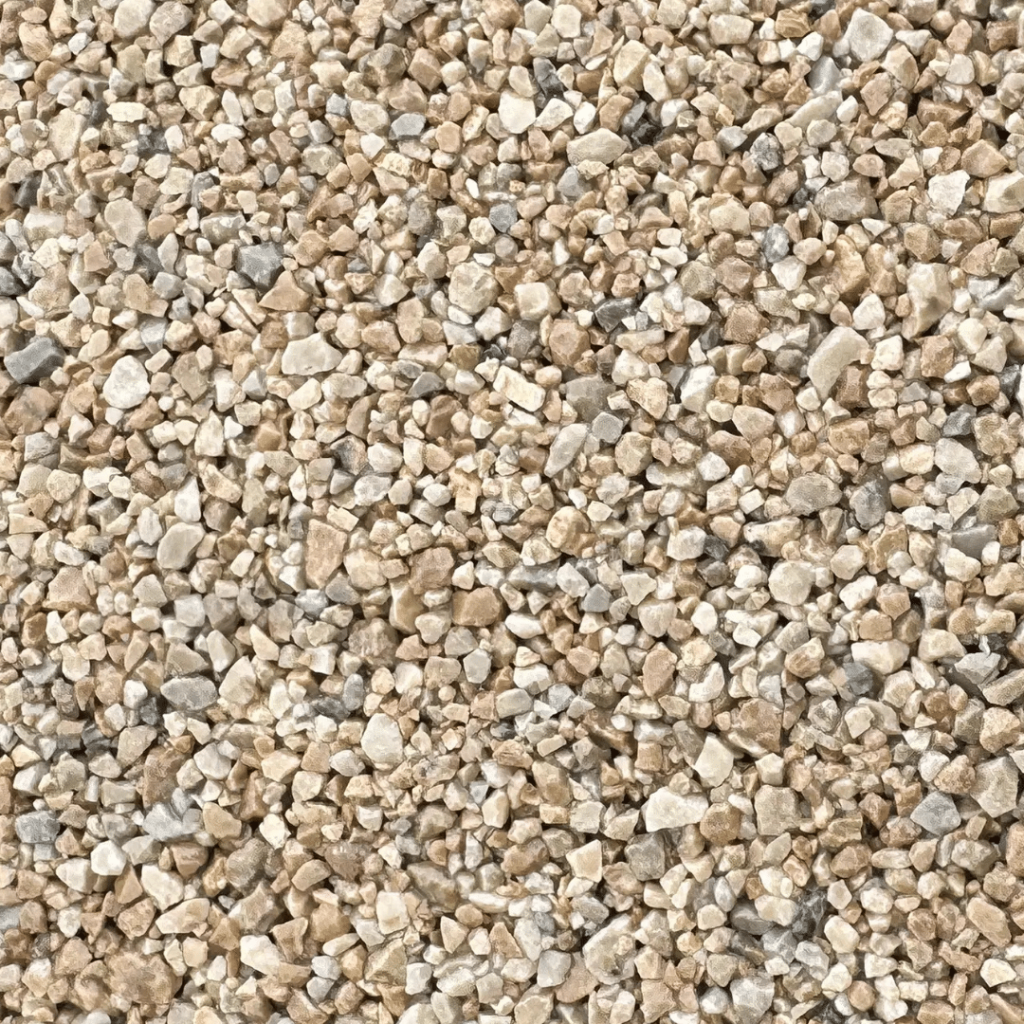
If heat is a concern, lighter blends from our resin colour options may be worth considering alongside shade and garden layout, but colour alone should never be treated as a safety guarantee.
Slip Resistance in Wet and Icy Conditions
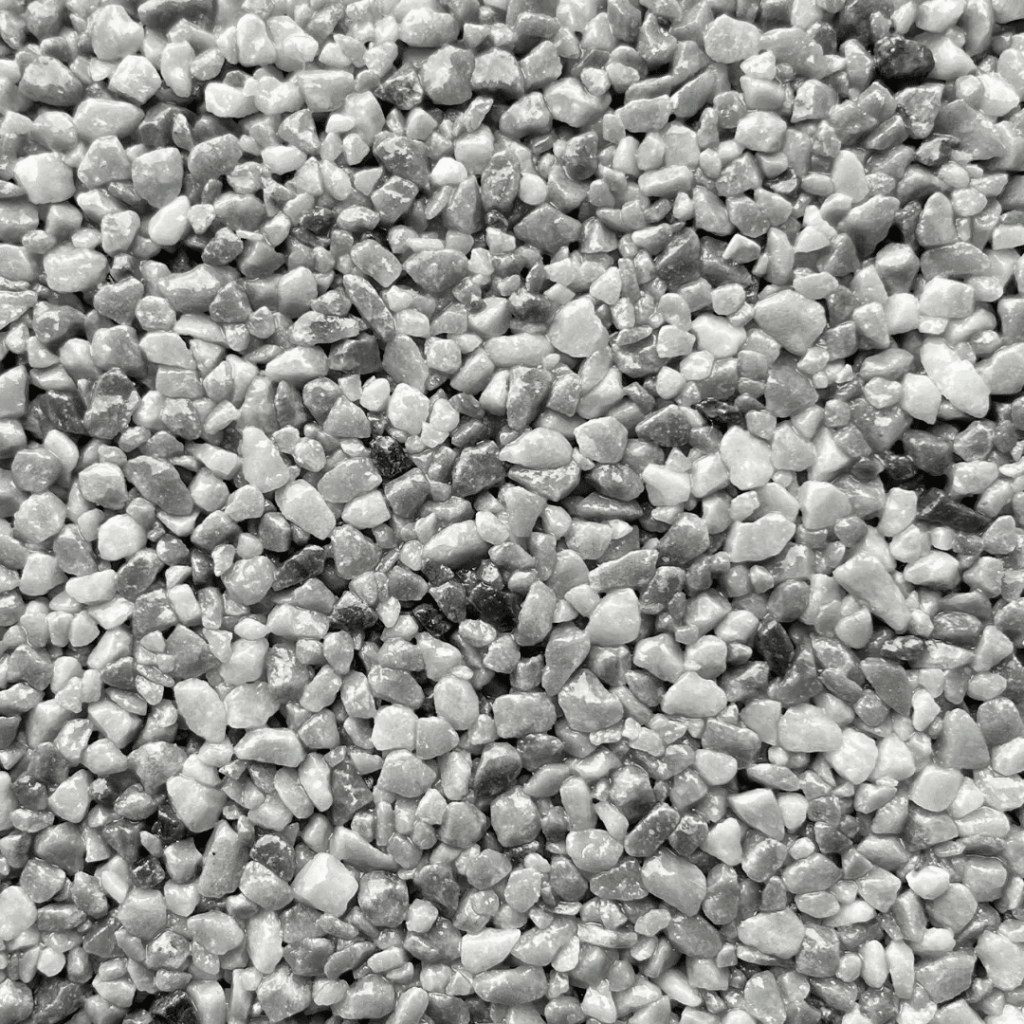
A good resin-bound system can provide useful slip resistance, but “non-slip” is too absolute a description.
The Health and Safety Executive identifies the pendulum test as a recognised method for assessing floor slip resistance and classifies a pendulum test value of 36 or above as indicating low slip potential in the conditions tested.
Technical certification for one high-quality resin-bound system records values of at least 63 PTV dry and 55 PTV wet, although the technical specification also notes that results can vary between aggregate blends. This illustrates why tested performance is more meaningful than a generic claim that every resin driveway is equally slip-resistant.
Permeability can also help by reducing standing rainwater when the entire system drains correctly. Government guidance says a correctly constructed permeable driveway should allow water to pass through rather than forming persistent puddles.
But permeability does not eliminate winter risk. Frost and ice can still form. We recommend treating icy conditions appropriately, keeping leaves and algae under control and using suitable methods for snow and ice management.
Regular sweeping and cleaning also matter because wet leaves, moss and algae can make an otherwise textured surface more slippery. Two Counties Resin provides resin cleaning and maintenance for homeowners who want help keeping their surface clear.
Are Resin Driveways Comfortable for Pets?
For normal walking around a home, a well-finished resin-bound surface can be easier for many pets to negotiate than loose gravel because the stones are contained rather than continually shifting under the paws. That is an inference from how resin-bound and loose or scatter-coated systems are constructed, rather than a veterinary guarantee for every animal.
Older dogs, animals with joint problems and pets recovering from injury may have very different mobility needs, so owners should take veterinary advice where appropriate.
The most important pet-specific period is immediately after installation. We advise keeping people, pets and wildlife off newly installed resin while it cures because premature traffic can leave permanent marks and moisture can interfere with curing. Usually 24–48 hours, and no vehicles for 48–72 hours, while cure time changes with temperature and product specification.
Why Professional Installation Is Essential for Safety
The visible resin surface is only part of a driveway. Proper levels, a stable base, suitable edging and drainage are critical to how the finished area performs.
Permeable driveways need suitable open-graded construction beneath the surface so water can pass through and be temporarily stored or dispersed. Soft ground, clay soils and drainage constraints can require additional design measures.
That is particularly important for family homes, where puddling, movement, cracking, poorly finished edges or unsuitable gradients can create avoidable hazards.
Two Counties Resin is a family-run business serving Dorset and Hampshire. Our local pages include Southampton, Eastleigh, Totton, Swanmore and Ringwood, as well as our Dorset service areas.
Resin-bound driveways are advertised from £90/m². We also offer a 5% discount for pensioners and Blue Light Card holders, and we will match or beat a written, like-for-like quote. Up to five years of workmanship cover is available on qualifying installations when specified and discussed at quote stage.
Request a free resin driveway quote or call 01202 028551. We are open 8am–8pm, Monday to Sunday.
Resin Bound Surfacing Safety FAQs
Is resin bound safe for children to play on?
It can be suitable as a domestic hard surface for everyday walking and play when correctly installed and maintained, but it is not automatically an impact-absorbing playground surface. Areas beneath play equipment may require specialist surfacing tested for fall protection.
Is a resin driveway slippery when wet?
Not necessarily. Tested resin systems can achieve strong wet slip-resistance results, but performance depends on the particular system, aggregate and surface condition. Wet leaves, moss, algae and ice can still increase slip risk.
Can dogs walk on a resin driveway in summer?
Yes, but owners should treat resin like any other hard outdoor paving in hot weather. Dark surfaces exposed to direct sun can become hot, and animal-welfare organisations warn that hot paving can burn dogs’ paws.
How long should pets stay off a newly laid resin driveway?
Follow your installer’s system-specific instructions. Current technical aftercare guidance for one resin-bound system recommends keeping pedestrians and pets off for roughly 24–48 hours, with longer restrictions for vehicles; temperature and weather affect cure time.
Does resin bound stop puddles and ice?
A correctly designed permeable resin-bound system can reduce standing rainwater because water passes through the surface and drainage layers. It cannot guarantee that ice will never form, so normal winter precautions are still required.